Aging Advocate in Durham & Regionally
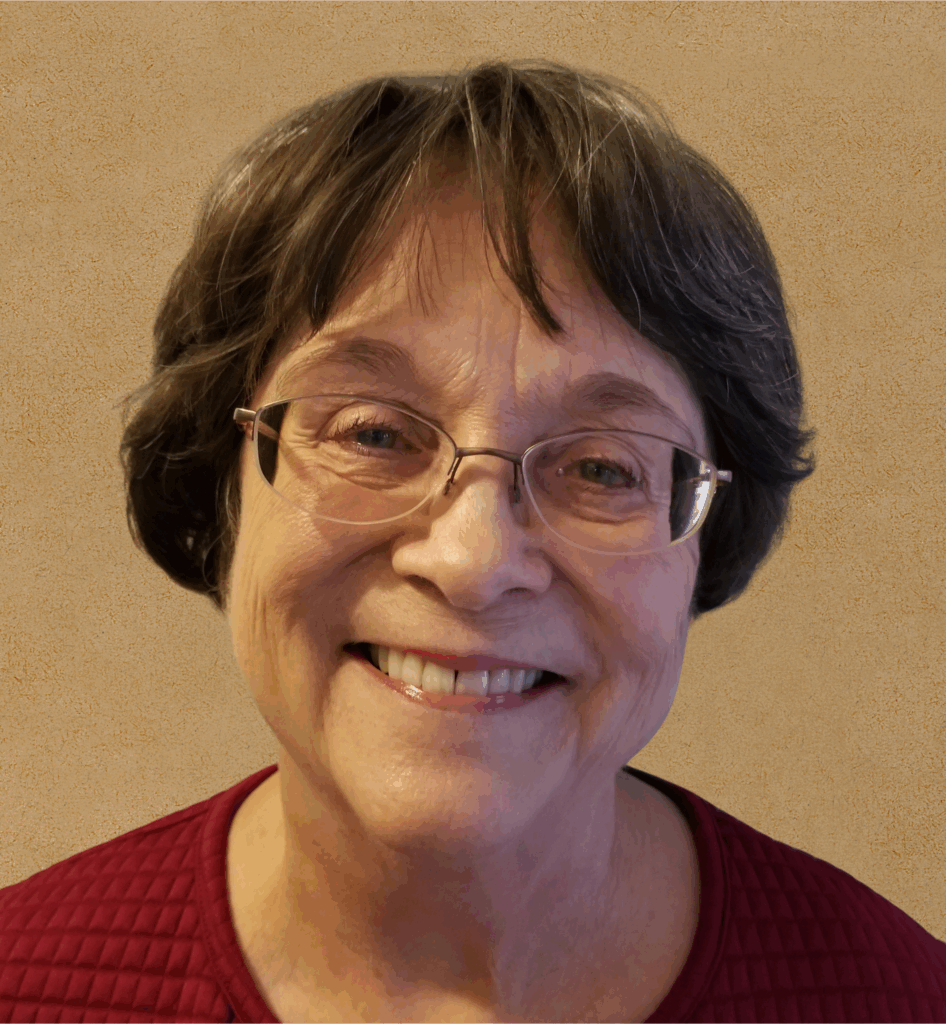
Joan Pellettier is a long-term advocate for older adults in Durham – and
across our region. In this interview with Shelisa, Aging Well Durham’s
Executive Director, Joan describes the beginning of her journey working
in a disability network to her time leading the Durham Partnership for
Seniors and the Area Agency on Aging. During her tenure, the City of
Durham and Durham County joined the Age-friendly Network of States
and Communities. Joan also describes her proudest accomplishments
and her views about how aging in Durham has changed over the last 30
years.
Joan was also just honored as the Volunteer of the Week with the Triangle Non-Profit Volunteer and Leadership Center. To read about her achievement, click this sentence.
The Interview:
Describe how you began working in Durham with aging adults.
“It is not insignificant that I was raised by my mother and grandmother. I came to Durham in ’69 to go to college (Duke) and decided that I liked Durham so much that I wanted to stay. My first job out of college was in the disability network. I received a Master’s in Career Counseling from NCCU. Contacts in the disability service community naturally extended to contacts in the aging community.
I became aware of the position of Coordinator of the relatively new Meals on Wheels (MoW) program and was fortunate enough to be hired. It was a joint position with Durham Congregations in Action and the Durham County Department of Social Services- giving me exposure to both the private and public aging service delivery systems.
Eventually I began working part-time with both MoW and as an aging program monitor with the Triangle J Council of Governments Area Agency on Aging. I learned a great deal about regional and state issues and players, service standards, community engagement and strategic planning. Then I was hired as ED of the (Coordinating) Council for Senior Citizens in 1990 and stayed until 2003. Retired as Director of the Area Agency on Aging in 2015.”
How do you think aging in Durham has changed over the last 30 years? What are some positives you see? What are some challenges that this community still has?
“I believe that the implications of a growing aging population have risen in the consciousness of the community. The informal and formal systems that support older adults seem to be better coordinated. The city and county have demonstrated a commitment to support its senior population, but breadth and quality of resources are still limited. Of note is that many issues cited in the first County Aging Plan* are like the most current.
What also remains lacking is the will of individuals to acknowledge the significance of their own aging. (I am no exception here.) There are too many of us who have not fully considered what we will need as we age, learned of community resources, or put a plan in place.”
Could you describe your involvement with the Durham Partnership for Seniors and the Durham Aging Plan?
“‘Keeping In Step’ was the initial committee endorsed by the County Commission (as requested in the first plan ~1990) to move forward with implementation of that aging plan. I’m afraid I don’t recall when that group became the Partnership for Seniors. But I think it occurred in relation to expectations of the Division of Aging and Adult Services and United Way to become a more broadly understood and responsive county aging planning and coordinating committee.
I was integrally involved with the development of the first Plan and served on the Partnership for Seniors from its inception through several years after my retirement, at times I was chair. The group fulfilled responsibilities regarding public/private partnerships, fostered program development, assured that Older Americans Act funds were effectively utilized in Durham and United Way initiatives related to aging were fulfilled, and that there was a comprehensive system of information and referral.
The group also worked to implement goals of the Keeping in Step Plan. Perhaps foremost was the complex and lengthy work of planning and development of a free-standing senior center in Durham. Of course, the plan needed to be updated periodically.”
What are some highlights of your work with Durham Partnership for Seniors and other collaborations?
“Many community organizations and citizens served on the Partnership. It was wonderful to see them team up to support each other and evolve new initiatives to better serve Durham’s aging community. The group presented itself as a ‘united front’ with funding sources, offering support for members to receive funding. In other words, there was collaboration rather than competition. That evolved into a stronger system for older adults and those with disabilities.
Not as successful was the challenge of implementing an automated, up-to-date, system of information and referral. (The effort was called Community Resource Connection. It was an outgrowth of the Partnership and got more into the nitty-gritty of safely sharing client info for the purpose of seamless service delivery.)”
What are you most proud about your career/leadership in Durham?
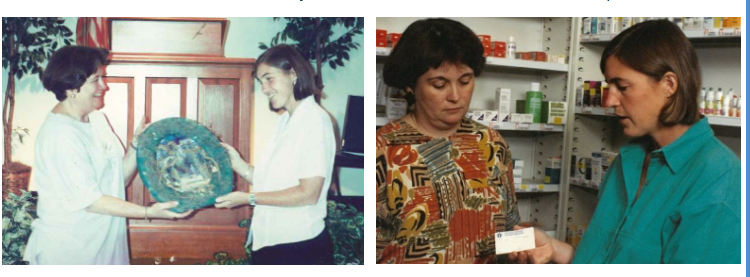
“My involvement with the development of Senior PharmAssist and its link with Durham Foundation for Better Health.
The fact that the Council for Senior Citizens achieved Senior Center of Excellence certification from the Division of Aging and Adult Services.
The fact that I was deeply engaged with the construction of Durham’s first free standing senior center.
The ongoing viability of the Partnership for Seniors and its many accomplishments, including strong collaborations, the city/county senior livability engagement (with AARP) and strong planning efforts.
That I was able to encourage, mentor and support many individuals around their ambitions and work to improve the lives of older adults in Durham and more broadly.”
What do you think Durham needs to do to become age-friendly and more livable?
“There needs to be a more holistic and comprehensive system of information and services that is easily understood and readily available. There are too many waitlists and service limitations. Sadly, this may not be possible with limited funding.”
Any encouraging words you want to share with aging adults who live in Durham?
“There are many caring and knowledgeable individuals and agencies prepared to assist you with your needs. Be proactive. Become engaged with your community.
How about some encouraging words you want to share with individuals who are working to support healthy aging in Durham?
You are doing good work and making a difference. Take heart from both small and large successes.”
Anything else you want to be included in this interview?
“I have come to believe that the strategic planning process is an end in and of itself. I used to be frustrated by the fact that the same issues came up in every plan (e.g. health access, transportation, housing, etc.). Was the community making no progress? Now I see the process as a way of reinforcing, with all those engaged and impacted, the fact that these things remain important and MUST NOT be forgotten. They can always be improved.”
*The first Aging Plan was created in 1990-1991.
JOAN PELLETIER: Born in New York and raised in Oregon, Joan came to Durham in 1969. She received a BA from Duke University and a MA from North Carolina Central University. She retired as Director of the Triangle J Council of Governments’ (now Central Pines Regional Council) Area Agency on Aging, which covers a seven-county area. She was a member of many state and local aging-related committees, including the North Carolina Study Commission on Aging.
Joan is also a recipient of the Order of the Long Leaf Pine, the highest civilian honor awarded by the Governor of North Carolina to individuals who make significant contributions to the state.